Halfway down a trade path I used to assume things were fine. Whoa! My instinct said somethin’ was off—fees looked normal, slippage looked fine, yet my trade finished worse than expected. Short story: MEV (maximal extractable value) isn’t just a theoretical headache for miners and bots; it quietly chips away at yield, especially if you use a wallet that doesn’t give you tools to simulate and protect transactions. Hmm… seriously? Yep.
Here’s the thing. On one hand, MEV can be a source of market efficiency when it arbitrages price differences quickly. On the other hand, though actually it’s often predatory, front-running, back-running, and sandwich attacks harvest value from ordinary users who don’t simulate or guard transactions. Initially I thought only whales or high-frequency bots needed to care, but then I watched friends and community members lose hundreds because their wallet showed a confirmed transaction that had already been exploited. My gut said we could do better—and we can.
In practical terms, defending your DeFi activity comes down to three levers: transaction simulation before submission, intelligent routing and timing, and MEV-aware execution strategies. Short. Then more: simulation gives you the visibility; routing plus timing reduces your exposure; and MEV-aware execution acts like a seatbelt. Okay, so check this out—these aren’t academic ideas. They are product-level features you should expect from modern Web3 wallets, and some wallets already ship them.
Why transaction simulation matters (and what to look for)
Transaction simulation is not just a dry preview. It’s a rehearsal. Really. A good simulation will show you expected execution outcomes, gas estimations, state changes, token balances, and potential slippage across permutations of on-chain state. Short sentence. But here’s the catch: on-chain state is constantly changing, so a simulation that assumes a static mempool can be misleading. My honest take: simulations are a necessary but not sufficient defense.
When evaluating wallet simulations, look for these practical signals: does the wallet simulate against a recent block or against a mempool snapshot? Does it model reordering by miners or MEV relays? Can it show a likely front-run or sandwich scenario? Initially I thought you only needed gas estimates; but actually, you need scenario modeling—multiple outcomes with probability-ish indicators—so you can make a decision. And yes, simulating failed transactions matters because a failed tx can still cost you gas if you don’t protect against it.
Also—this part bugs me—some wallets show simulations but hide the assumptions. If the simulation assumes you’ll be the only tx in the mempool for the next 12 seconds, that’s optimistic. Be skeptical. On the other hand, if the wallet offers programmable guards and shows “if attacker X front-runs, you’ll lose Y amount,” you have actionable info and can opt to change parameters or abort.
Execution strategies that reduce MEV exposure
One simple tactic: split large trades. Short. Splitting reduces the payoff for a sandwich attack, though it raises gas overhead. There’s a trade-off. Another tactic: use protected relays or private transaction submission paths that bypass public mempools. These routes are not magic—they rely on relays or builders that accept private payloads, reducing front-running probability. Initially I thought private submission would be prohibitively expensive, but actually, for sizable trades the cost often pays for itself in preserved slippage savings.
Time-of-day and gas-price strategies help too. On busy chains, higher gas prices don’t necessarily increase safety because sophisticated bots just match or prioritize differently; sometimes lower congestion windows are safer. Hmm… I’m not 100% sure which window is best universally—it’s context-dependent—but simulation plus historical mempool data in your wallet can guide that choice. Somethin’ to try: run a few shadow simulations across different gas price levels and look at risk metrics the wallet provides.
Finally, routing matters. Aggregators will split orders across DEXs to get better pricing, but if they route through thin liquidity pools you expose yourself to being sandwiched. So the smart wallet presents routing choices and shows the tradeoff: price vs. MEV risk vs. gas. If it hides routing decisions, that’s a red flag. I’m biased, but transparency beats opacity here, every time.
What a modern Web3 wallet should offer
Think like an engineer. You want: pre-submit simulation, mempool-aware modeling, private submission options, automated guardrails (max slippage, delayed re-broadcast), and clear UX for trade-offs. Short. These features must be integrated elegantly so average DeFi users can make decisions without becoming traders or engineers. Example: a wallet that automatically suggests a “protected route” and explains why in plain English—”This reduces sandwich risk by submitting via a private relay but adds $X in relay fee”—is far more useful than an opaque checkbox.
Here’s the bit where product design matters. UX should default to safe choices while allowing power users to override. Onboarding should teach why simulation matters, not bury it as an advanced setting. People forget things. So guardrails need to exist at multiple levels—warnings, fallbacks, and automated protections unless explicitly disabled.
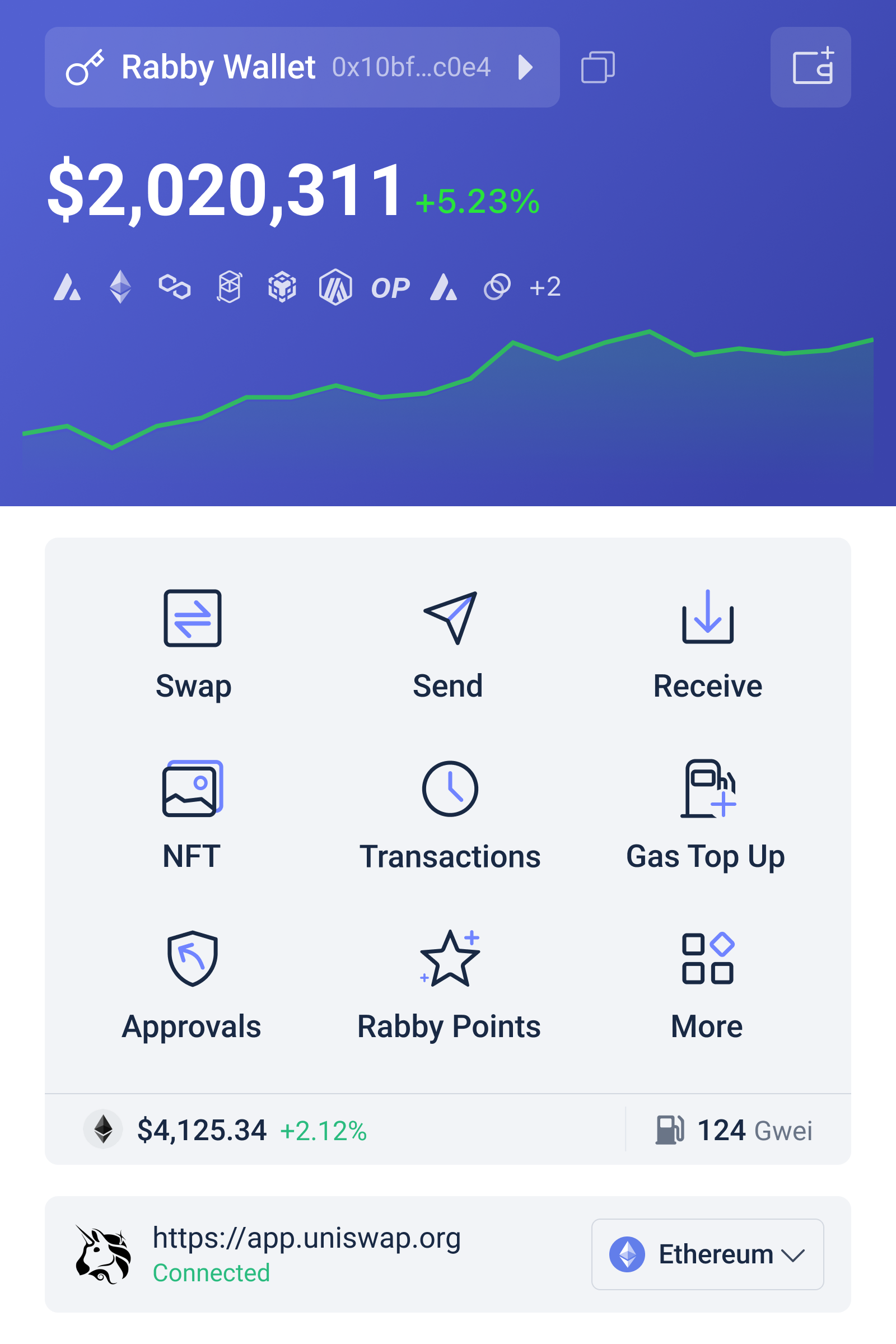
If you want a wallet that takes this seriously, try something built with transaction simulation and MEV-aware execution in mind. For example, I started recommending rabby wallet to friends because it exposes simulation tools and makes routing transparent while offering convenience features that ordinary users actually use. Not an ad—I’m sharing what I’ve tested and what saves cash when trades get complicated.
Trade-offs and limits — what no wallet can fully promise
No tool can eliminate MEV entirely. Short. Some MEV is systemic and requires protocol-level solutions or changes in block-building incentives to meaningfully reduce. On one hand, better wallets and relays reduce surface area for attackers; on the other hand, if block builders are incentivized to extract, they’ll adapt. So wallets are mitigation layers, not cures.
Also, private relays and protected submissions can centralize power if overused. That centralization brings governance and censorship concerns. Initially I thought private relays were an unalloyed win, but then I realized we trade decentralization for protection sometimes. Actually, wait—let me rephrase that: the choice is always a balance between risk, cost, and decentralization values. Users should be able to make that trade consciously.
And yes, smaller trades sometimes shouldn’t incur the overhead of advanced protections. If you’re swapping $20 of memecoins, you might accept a small probability of slippage. But if you’re moving thousands or doing leveraged positions, simulation and MEV-aware routing should be table stakes. Very very important to know the difference.
Quick playbook for users right now
1. Simulate every non-trivial transaction. Short. If the wallet doesn’t simulate, don’t assume safety.
2. Prefer wallets that show mempool or builder-aware simulations.
3. Use private submission for larger orders, and weigh the relay fee vs. expected slippage.
4. Set conservative max-slippage and use guardrails that cancel or re-route if parameters change.
5. Consider splitting large trades or using limit orders where possible. Limit orders can remove you from mempool fray entirely, though they come with execution risk.
I’ll be honest: it’s a lot to manage. Somethin’ about UI and defaults matters more than a checklist. If a wallet hides the mechanics, users won’t adopt protections. If it presents them simply, they’ll use them—and that changes outcomes at scale.
Frequently asked questions
How much can MEV actually cost me?
Depends. For small swaps it’s often negligible, but for large or poorly routed trades you can lose a percentage point or more—sometimes far more if a sandwich attack triggers. Historically, sophisticated attacks have harvested tens of thousands in single blocks on crowded trades. Use simulations to get a rough expected-loss figure before you commit.
Are private relays safe and private?
They reduce exposure to public front-running but aren’t perfect. You trade off exposure to different actors—relays and builders—and potentially add fees. Consider them for high-value trades and pair them with simulation insights.
Can wallets detect every possible MEV exploit?
No. Wallet-level tools catch common patterns and provide risk metrics, but zero-day strategies or novel extractor behaviors may slip through. That’s why multi-layer defenses and user education remain crucial.